
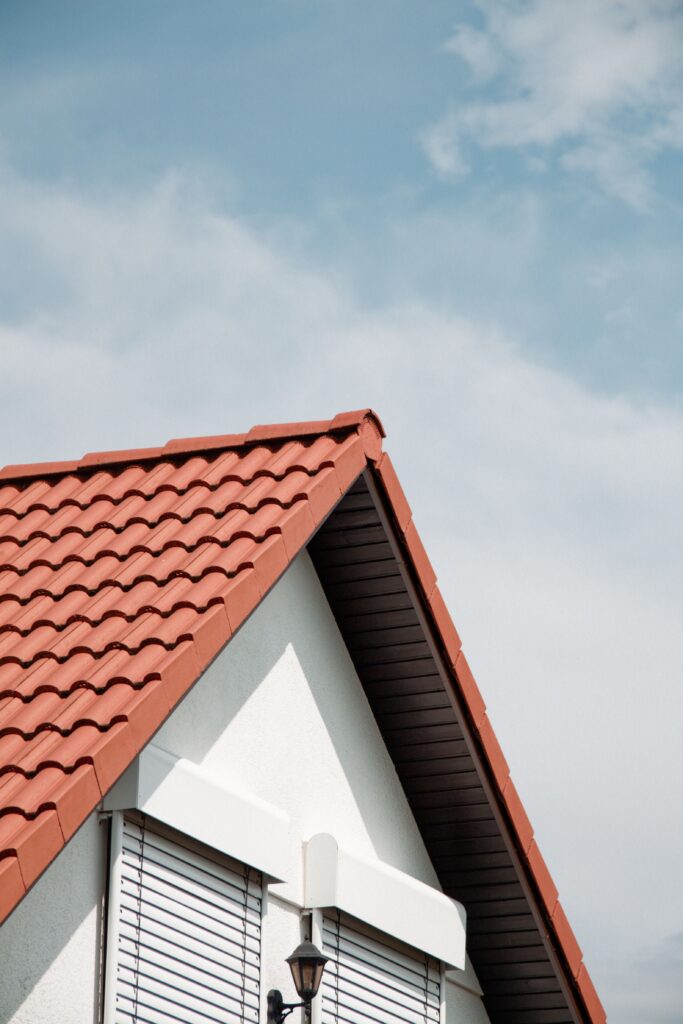
Roof Replacement Cost in 2026: Complete Price Guide
Understanding roof replacement cost before hiring a contractor can help you budget accurately and avoid unexpected expenses. In the United States, the price of replacing a roof depends on roof size, roofing material, labor, roof pitch, removal of old shingles, and any hidden structural repairs.
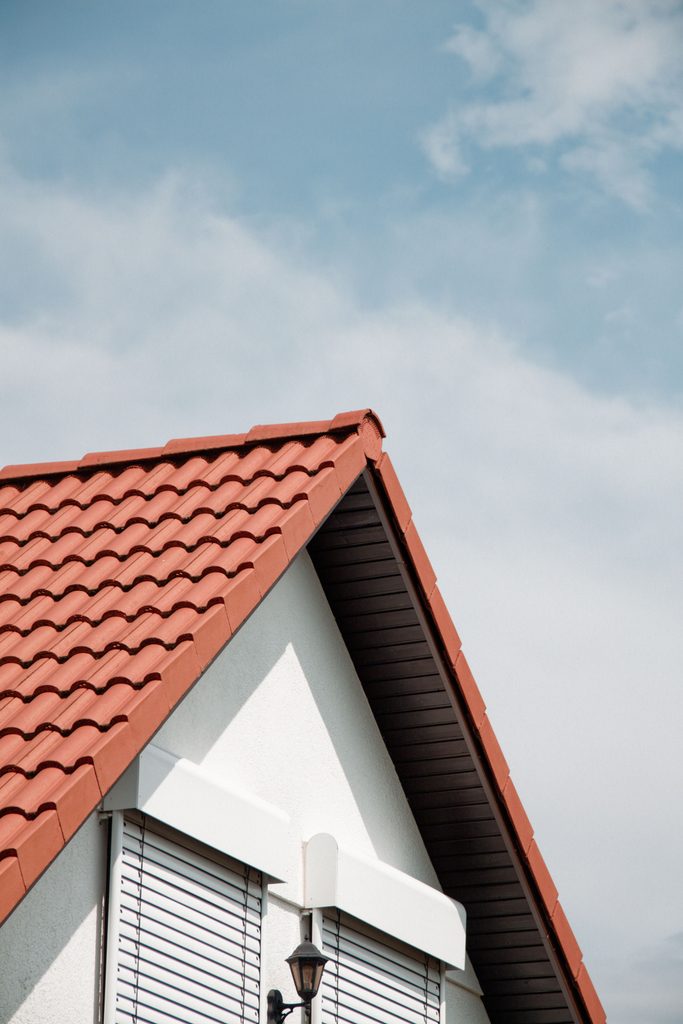
Quick Answer: How Much Does Roof Replacement Cost?
A full roof replacement for a typical U.S. home may cost approximately $5,000 to $20,000 or more. Asphalt shingles generally cost less upfront, while metal, tile, and slate roofing can be considerably more expensive.
These are broad planning estimates, not guaranteed quotes. The final price depends on the actual roof area, local contractor rates, material quality, roof complexity, and whether repairs are needed.
- Typical overall budget: Approximately $5,000–$20,000 or more
- Lower-cost option: Asphalt shingles
- Premium options: Metal, tile, and slate
- Before hiring: Compare at least three written contractor quotes
Want to estimate your project? Try our Roof Replacement Cost Calculator to get a starting budget for your home. Confirm that this URL matches your published calculator page.
Roof Replacement Cost by Material
Roofing material is one of the biggest factors affecting the total cost. The following figures are illustrative U.S. installed-price ranges per square foot. Actual contractor quotes may differ, and some estimates may exclude old-roof removal, disposal, permits, or structural repairs.
| Roofing material | Illustrative installed cost per sq ft | Typical lifespan |
|---|---|---|
| Asphalt shingles | $4.50–$8 | 20–30 years |
| Metal roofing | $9–$16 | 40–70 years |
| Wood shake | $7–$12 | 25–35 years |
| Clay or concrete tile | $10–$20 | 50 years or more |
| Flat-roof membrane | $5–$9 | Varies by material |
For example, if your actual roof area is 2,000 square feet, an illustrative asphalt roofing price of $4.50–$8 per square foot would produce a total of $9,000–$16,000. At $9–$16 per square foot, metal roofing would be approximately $18,000–$32,000.
These examples use the stated assumed rates. Confirm whether your contractor’s quote includes tear-off, underlayment, flashing, disposal, and other project costs.
What Affects Roof Replacement Cost?
Even homes with similar roof areas can have different replacement costs. Consider these factors when reviewing a quote.
- Roof size: Larger roofs require more materials and labor.
- Roofing material: Asphalt shingles generally cost less upfront than premium materials.
- Roof pitch: Steep roofs can require additional safety equipment and labor.
- Roof complexity: Valleys, dormers, skylights, and chimneys can make installation more difficult.
- Old-roof removal: Tear-off, hauling, and disposal can increase the total.
- Roof decking repairs: Rotted or damaged wood may need replacement.
- Flashing and ventilation: Damaged flashing or ventilation issues can add work.
- Local labor and permits: Contractor rates and local building requirements vary.
How to Estimate Your Roof Size
Your home’s floor area is not the same as its roof area. Roof pitch, overhangs, and architectural design can increase the amount of roofing material required.
Roofers commonly measure roofing in squares. One roofing square equals 100 square feet of roof area.
For example, a roof measuring 2,000 square feet has an area of 20 roofing squares. This does not automatically mean that a 2,000-square-foot home has a 2,000-square-foot roof.
A simple preliminary estimate may use the home’s footprint and an adjustment for roof pitch, but an actual roof measurement is more reliable. Ask your contractor how much material is required and whether waste is included.
Asphalt Shingles: A Budget-Friendly Choice
Asphalt shingles are widely used in the United States because they are available in many styles and generally have a lower upfront cost than several premium roofing options.
Depending on the product, climate, installation quality, and maintenance, asphalt shingles may last around 20–30 years. Severe weather, poor ventilation, and improper installation can shorten their lifespan.
When comparing asphalt shingles, review the manufacturer’s warranty, wind rating, product specifications, and the contractor’s workmanship warranty.
Metal Roofing: Higher Upfront Cost
Metal roofing usually costs more upfront than standard asphalt shingles. Some metal roofing systems can last 40–70 years, depending on the metal, coating, installation, and maintenance.
Metal roofing may be a suitable choice for homeowners who value durability and long-term performance. However, the best option depends on the home’s structure, climate, budget, and the specific roofing product.
Ask the installer about corrosion protection, fasteners, noise considerations, repair requirements, and warranty coverage before choosing a metal roof.
Tile and Other Premium Roofing Options
Clay and concrete tiles can provide a distinctive appearance and a long service life. They are also heavy, so the existing roof structure must be suitable for the additional load.
Slate can also be durable but may require specialized installation and repairs. Wood shake offers a natural appearance but needs appropriate maintenance and may be restricted by local fire-safety rules.
Before selecting a premium material, compare its total installed cost, expected maintenance, structural requirements, and availability of qualified local installers.
How Long Does a Roof Last?
| Roofing material | Approximate lifespan |
|---|---|
| Asphalt shingles | 20–30 years |
| Metal roofing | 40–70 years |
| Wood shake | 25–35 years |
| Clay or concrete tile | 50 years or more |
These are general estimates, not guarantees. Weather exposure, product quality, installation, ventilation, and maintenance all affect roof lifespan. Follow the roofing manufacturer’s maintenance guidance and have suspected problems inspected by a qualified professional.
Signs You May Need a New Roof
Some roofing problems can be repaired, while widespread deterioration may indicate that replacement is worth considering.
- Missing, cracked, or curling shingles
- Water stains on ceilings or walls
- Recurring leaks after previous repairs
- Sagging sections of the roof
- Large amounts of shingle granules in gutters
- Visible damage following a storm
- A roof approaching or exceeding its expected service life
Do not climb onto a steep or damaged roof to inspect it yourself. If you notice sagging, active leaks, or storm damage, contact a qualified roofing professional to assess the condition safely.
Read our related guide: Signs You Need a New Roof. Confirm this URL matches your published article.
Should You Repair or Replace Your Roof?
A repair may be sufficient when the roof is relatively new and the damage is limited to a small area. Replacement may make more sense when the roof is near the end of its service life, damage is widespread, or repeated repairs are becoming expensive.
Ask a roofing contractor to explain the cause of the damage and provide repair and replacement options when both are practical. Compare the immediate cost with the expected remaining lifespan of the existing roof.
If a leak has affected ceilings or other interior areas, you may also need to assess and repair the resulting damage. Our guide to estimating how much paint you need can help with planning a later painting project after the underlying moisture problem has been fixed.
Tips to Save Money on Roof Replacement
- Get at least three written quotes: Compare the full scope of work, not only the headline price.
- Check contractor credentials: Confirm local licensing requirements, insurance, and references.
- Compare material specifications: Make sure quotes use comparable products and quality levels.
- Confirm tear-off costs: Ask how many existing layers will be removed and how disposal is priced.
- Review warranties: Understand manufacturer coverage and workmanship protection.
- Plan roof repairs before installation: Ask about any damaged decking or flashing that needs attention.
- Check insurance coverage: Review your policy before assuming storm or hail damage will be covered.
- Avoid choosing by price alone: Unusually low quotes may exclude important work or use different materials.
Useful External Resources
Use reputable resources to understand roofing requirements and make informed decisions.
- ENERGY STAR — information on energy-efficient products and home improvement.
- U.S. Environmental Protection Agency: Lead — useful information about lead hazards when work may disturb older building materials.
- Insurance Information Institute — general information about insurance and property risks.
Related Home Improvement Guides
- Solar Panel Cost Calculator
- Water Heater Replacement Cost
- Bathroom Exhaust Fan Installation Cost
- Kitchen Faucet Replacement Cost
- How Much Paint Do You Need?
Frequently Asked Questions
How much does it cost to replace a roof in the United States?
A broad planning range for a typical home is around $5,000–$20,000 or more. The actual roof replacement cost depends on roof area, material, local labor rates, roof complexity, and necessary repairs.
How much does a new roof cost for a 2,000-square-foot roof?
Using the illustrative material rates in this guide, 2,000 square feet of roofing could cost approximately $9,000–$16,000 for asphalt shingles or $18,000–$32,000 for metal roofing. Confirm the measurement and what the contractor’s quote includes.
How long does roof replacement take?
Many residential projects take one to three days, but larger or more complex roofs, bad weather, structural repairs, and material availability can extend the schedule.
Can a new roof be installed over old shingles?
In some cases, local rules and the roof’s condition may allow another layer. However, adding a layer is not appropriate for every roof. A contractor should assess the existing layers, structure, and manufacturer’s installation requirements before recommending this option.
Does homeowners insurance pay for roof replacement?
Coverage depends on your policy, the cause of damage, exclusions, and deductible. Covered storm damage may qualify, while normal wear and aging are often excluded. Review your policy and contact your insurer before authorizing major work.
Is metal roofing worth the extra cost?
It may be worthwhile for homeowners who value a longer potential service life, but the decision depends on the initial cost, local climate, maintenance, installation quality, and how long you plan to stay in the home.
Final Thoughts
Roof replacement is a significant home expense, but understanding material prices, roof measurements, labor, and additional costs makes it easier to plan. Use our Roof Replacement Cost Calculator for an initial estimate, then compare written quotes from qualified local roofers before making a decision.
Disclaimer: This article is for general educational purposes only. All prices and lifespan estimates are approximate and may vary by location, product, contractor, and roof condition. This content is not a substitute for a professional roof inspection, contractor quote, or insurance advice.