
House Painting Cost in 2026: 9 Smart Ways to Save
Planning your house painting cost before buying paint or hiring a contractor can help you avoid unexpected expenses. Whether you want to paint one room yourself or refresh your entire home, the total price depends on room size, paint quality, surface condition, preparation, and labor rates.
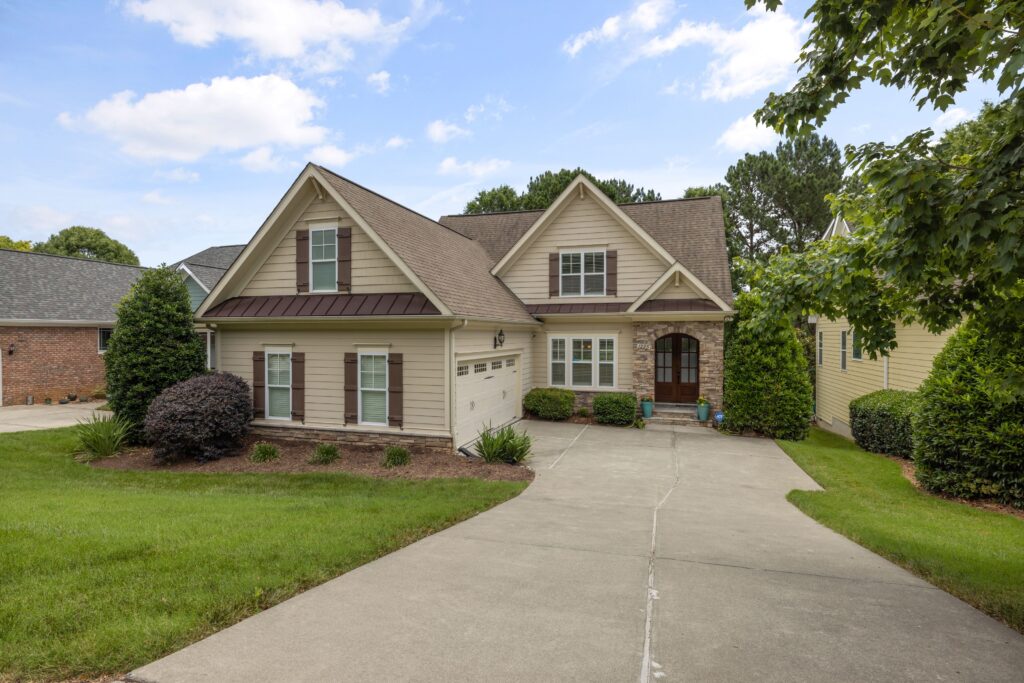
Quick Answer: How Much Does House Painting Cost?
Painting a room yourself may cost around $50–$200 for paint and basic supplies. Hiring a professional can cost approximately $300–$1,200 or more for a typical room. Painting an entire home’s interior may cost several thousand dollars, depending on the home’s size and the amount of preparation required.
These are general U.S. planning estimates, not guaranteed quotes. Exterior painting costs can vary significantly with siding type, home height, access, surface repairs, and local labor rates.
- DIY room painting: Approximately $50–$200
- Professional room painting: Approximately $300–$1,200 or more
- Whole-house interior: Approximately $2,000–$6,000 as a broad estimate
- Whole-house exterior: Approximately $2,500–$10,000 as a broad estimate
For a more tailored starting estimate, try our Paint Cost Calculator. Check that the link matches your published calculator page.
Cost to Paint a Room
The cost to paint a room depends on its dimensions, ceiling height, number of coats, wall condition, and whether you do the work yourself or hire a professional.
| Painting option | Illustrative cost | What may be included |
|---|---|---|
| DIY painting | $50–$200 | Paint and basic supplies; extensive repairs may cost extra |
| Professional, small room | $300–$600 | Painting labor and materials, depending on the quote |
| Professional, larger room | $600–$1,200 or more | More surface area, preparation, and painting time |
Always ask whether a painter’s quote includes primer, furniture protection, patching, trim, ceilings, and cleanup. Quotes that cover different work are difficult to compare directly.
Cost to Paint the Whole House
Painting an entire home usually costs more because there is more surface area to prepare and cover. Interior and exterior projects also involve different materials, equipment, and labor.
| Project | Broad estimated range | Major cost factors |
|---|---|---|
| Whole-house interior | $2,000–$6,000 | Wall area, ceilings, trim, repairs, and paint quality |
| Whole-house exterior | $2,500–$10,000 | Home height, siding, access, scraping, and surface preparation |
These ranges are illustrative. Large homes, multiple stories, extensive repairs, premium coatings, and high local labor rates can increase the final cost.
How Much Paint Do You Need?
Estimating paint quantity before shopping helps you budget and reduces waste. One gallon of paint often covers around 350 square feet per coat, but actual coverage varies by product, surface texture, and application method. Check the label on your chosen paint.
Use this basic method to estimate wall area:
- Add the room’s length and width, then multiply the total by two to estimate the perimeter.
- Multiply the perimeter by the ceiling height to estimate wall area.
- Subtract the approximate area of doors and windows.
- Multiply the remaining area by the number of coats.
- Divide by the coverage listed on the paint can and round up to a whole gallon.
Example: A 14-by-12-foot room with 8-foot ceilings has an estimated wall area of 416 square feet before subtracting doors and windows. After allowing for one door and two windows, the paintable area may be around 350 square feet. Two coats would require approximately 700 square feet of coverage, or about two gallons if the paint covers 350 square feet per gallon.
This example is approximate. Surface texture, absorption, color changes, and application technique can affect the amount needed.
Save time by using our Paint Cost Calculator to estimate your project before purchasing supplies.
What Affects House Painting Cost?
Your house painting cost can change depending on several important factors.
- Room or house size: Larger paintable areas require more paint and labor.
- Ceiling height: Tall walls may require ladders, scaffolding, and additional labor.
- Number of coats: Two coats are common, but some surfaces and color changes need additional coverage.
- Paint quality: Different paints have different coverage, durability, and price points.
- Wall condition: Holes, cracks, peeling paint, and stains may require preparation and repairs.
- Trim and ceilings: Doors, baseboards, windows, and ceilings add to the workload.
- Interior versus exterior: Exterior projects may require scraping, weather-resistant coatings, and more access equipment.
- Local labor rates: Professional rates vary by location and project complexity.
DIY Painting or Hiring a Professional?
Both options can make sense, depending on your budget, experience, and the size of the project.
When DIY Painting Makes Sense
DIY painting can be a budget-friendly choice for small rooms with walls in good condition. You will need to buy paint, brushes, rollers, trays, tape, drop cloths, and any necessary preparation supplies. You will also need to allow enough time for preparation, painting, drying, and cleanup.
When to Hire a Professional Painter
A professional may be a better choice for large rooms, high ceilings, detailed trim, exterior walls, difficult surfaces, or projects that require extensive preparation. A qualified painter can also help you select suitable products and estimate the labor required.
A middle-ground option is to move furniture, cover floors, and complete simple preparation yourself, then hire a professional for the painting. Confirm with the contractor which preparation tasks they expect you to complete.
How to Prepare Before Painting
- Move furniture away from the work area and protect floors.
- Clean the surface and allow it to dry.
- Fill small holes and cracks with an appropriate repair product.
- Sand repaired areas as directed and remove dust.
- Mask trim and other areas that should not be painted.
- Use primer where the paint manufacturer or surface condition calls for it.
- Follow the product label for ventilation, application, drying time, and cleanup.
Proper preparation helps paint adhere and creates a more even finish. For older homes, take appropriate precautions before sanding or disturbing old paint because it may contain lead. See the U.S. Environmental Protection Agency’s lead information for safety guidance.
Smart Ways to Save Money on Painting
- Compare paint prices: Check coverage, durability, and the recommended number of coats rather than price alone.
- Measure first: Estimate the paintable area before buying supplies.
- Prepare surfaces properly: Fixing minor issues early can help avoid additional labor later.
- Do suitable prep work yourself: Ask the painter which tasks you can safely handle.
- Get multiple quotes: Request at least three written quotes with comparable work and materials.
- Plan colors in advance: Test samples before buying large quantities.
- Buy a sensible amount: Keep a small amount for touch-ups, but avoid purchasing far more than you need.
- Ask about warranties: Understand what is covered and what maintenance is required.
- Choose the right timing: Ask local painters whether their schedules or rates vary seasonally.
Related Home Improvement Guides
- Solar Panel Cost Calculator
- Water Heater Replacement Cost
- Bathroom Exhaust Fan Installation Cost
- Kitchen Faucet Replacement Cost
- Signs You Need a New Roof
Frequently Asked Questions
How much does it cost to paint a room?
DIY painting may cost around $50–$200 for paint and basic supplies. Professional painting may cost approximately $300–$1,200 or more, depending on room size, surface condition, and the work included in the quote.
How much paint do I need for a 12-by-14-foot room?
With 8-foot ceilings, one door, and two windows, approximately two gallons may be enough for two coats when the paint covers around 350 square feet per gallon. Measure the actual surfaces and check the product label for a better estimate.
Do I need primer before painting?
Primer is often useful on new drywall, repaired areas, stains, porous surfaces, or when making certain major color changes. Follow the paint manufacturer’s instructions to decide whether primer is needed for your project.
How long does paint take to dry?
Many interior paints become dry to the touch within a few hours, but the time between coats and the full curing time vary by product, temperature, humidity, and ventilation. Follow the instructions on the paint can.
Should I paint the ceiling too?
Painting the ceiling can help create a consistent finish when the existing ceiling color is faded or stained. Ceiling painting is an additional task, so include it when estimating materials and labor.
What is the cheapest way to paint a room?
DIY painting is often the least expensive option when the walls are in good condition and you already have some supplies. Include preparation materials, tools, paint, and your available time when comparing DIY with a professional quote.
Final Thoughts
Planning your house painting cost starts with measuring the paintable area, choosing suitable paint, and checking the condition of the surfaces. Decide whether DIY or professional painting is right for your project, then compare costs before purchasing materials or hiring a contractor.
Use our Paint Cost Calculator for an initial estimate and request written quotes when hiring a painter.
Disclaimer: This article is for general educational purposes only. All costs and coverage figures are approximate and vary by location, paint product, surface condition, and contractor. Follow product safety instructions and consult a qualified professional for complex repairs or hazardous materials.
“`