
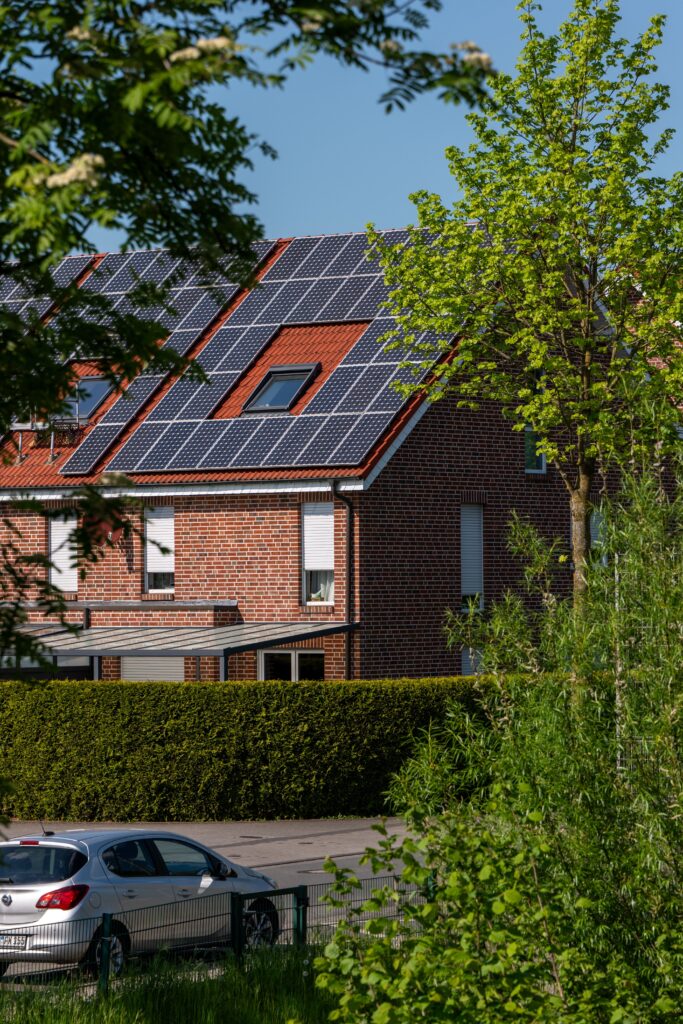
9 Warning Signs You Need a New Roof (And What to Do)
Your roof protects your home from rain, wind, and other weather conditions, but it will not last forever. Recognizing the signs you need a new roof early can help you prevent leaks, interior damage, and expensive repairs. This guide explains the warning signs to look for, how to check your roof safely, and when to contact a roofing professional.
Quick Answer: How Do You Know If You Need a New Roof?
You may need a new roof if it is approaching the end of its expected lifespan, has widespread missing or curling shingles, develops recurring leaks, loses large amounts of shingle granules, or shows signs of sagging. However, one or two damaged shingles or a loose flashing section may only require a repair.
The best way to decide between repair and replacement is to have a qualified roofing professional inspect the roof and assess the extent of the damage.

1. Your Roof Is Getting Old
Roofing materials have different expected lifespans. The figures below are broad estimates; actual durability depends on material quality, installation, weather, ventilation, and maintenance.
| Roofing Material | Approximate Lifespan |
|---|---|
| Asphalt shingles | 20–30 years |
| Metal roofing | 40–70 years |
| Tile roofing | 50 years or more |
| Wood shakes | 25–35 years |
If your roof is nearing the expected lifespan of its material, arrange an inspection and start planning your budget. Age alone does not automatically mean replacement is necessary.
2. Missing, Cracked, or Curling Shingles
Look at the roof from the ground or from a safe indoor window. Watch for these visible warning signs:
- Missing shingles: Exposed areas can allow water to reach the underlying roof layers.
- Cracked shingles: Cracks can create paths for water to enter.
- Curling or cupping shingles: Raised edges or distorted surfaces may indicate aging or weather-related damage.
- Widespread damage: Damage across many sections may indicate that the roof needs more than a small repair.
A few damaged shingles can often be replaced. A roofing professional can determine whether widespread deterioration makes replacement more practical.
3. Excessive Granules in Your Gutters
Asphalt shingles contain protective granules that help shield them from sunlight and weather. Some granule loss can occur as shingles age, but large amounts collecting in gutters or downspouts may indicate deterioration.
Also look for visibly worn or bald patches on the shingles from a safe location. If you notice substantial granule loss, arrange a roof inspection.
4. Roof Leaks and Water Stains
Water entering through a roof can damage ceilings, walls, insulation, and other parts of the home. Check indoor areas for:
- Brown or yellow stains on ceilings
- Peeling or bubbling paint
- Damp attic insulation
- Musty odors or signs of moisture
- Visible daylight through roof boards in an unfinished attic
A leak does not always mean the entire roof needs replacement. Water may enter around flashing, vents, skylights, or a small damaged section. A professional inspection can identify the source and recommend the appropriate repair.
5. A Sagging Roofline or Visible Dips
A roofline that appears to sag or develop dips can indicate damaged roof decking, moisture-related deterioration, or a structural issue. This is a potentially serious warning sign that needs prompt professional assessment.
Do not walk on the roof or attempt to investigate unstable areas yourself. If the roof appears unsafe or the sagging is severe, keep people away from the affected area and seek professional assistance promptly.
6. Moss, Algae, or Dark Streaks
Dark streaks may be cosmetic, and light algae growth does not necessarily mean a roof needs replacing. Thick moss, however, can retain moisture and lift shingles, potentially accelerating damage.
Have heavy moss growth assessed before cleaning it. Avoid aggressive pressure washing or methods that may damage the roofing material. Use cleaning methods recommended for your specific roof type.
7. Damaged Flashing Around Chimneys and Vents
Flashing is the material used around roof joints and penetrations to help prevent water from entering. Check visible areas around chimneys, vents, skylights, and roof valleys for signs of rust, separation, bending, or loose sections.
Damaged flashing can sometimes be repaired without replacing the entire roof. If leaks keep returning or the surrounding roofing is also deteriorating, a broader inspection is worthwhile.
8. Unexpectedly Higher Energy Bills
Higher heating or cooling bills can have several causes, including poor insulation, air leaks, ventilation problems, or changes in energy prices. A deteriorating roof may contribute to home comfort problems, but higher bills alone do not prove that the roof needs replacement.
Check your insulation and ventilation as well as the roof’s condition. A qualified professional can help determine whether the roof is contributing to the problem.
9. Storm or Hail Damage
Strong winds, hail, falling branches, and severe storms can damage roofing materials. From the ground, look for missing shingles, displaced roofing, damaged gutters, fallen debris, or visible dents in exposed metal.
After a storm:
- Take photos of visible damage from a safe location.
- Keep away from downed electrical wires and unstable structures.
- Contact a qualified roofer for an inspection.
- If you plan to make an insurance claim, review your policy and contact your insurer promptly.
For general information about roof damage and insurance, read the Insurance Information Institute’s guide to roofs and insurance. Coverage depends on the policy, the cause of damage, and applicable exclusions.
Roof Repair or Replacement: Which Is Better?
| Situation | Possible Next Step |
|---|---|
| A few damaged shingles on an otherwise sound roof | Repair may be sufficient |
| Loose or damaged flashing in one area | Flashing repair may be sufficient |
| Repeated leaks in several areas | Arrange a full professional assessment |
| Widespread shingle deterioration | Replacement may be more practical |
| Sagging or suspected structural damage | Seek prompt professional assessment |
Compare the cost of necessary repairs with a written replacement estimate, the roof’s remaining expected life, and any underlying damage. The cheapest immediate option is not always the best long-term value.
How to Inspect Your Roof Safely
You can look for warning signs without climbing onto the roof.
- Use binoculars to inspect visible shingles from the ground.
- Walk around the property and look at each side of the roof.
- Check ceilings for water stains and other signs of moisture.
- If your attic is safely accessible, look for damp insulation or water stains without touching damaged structures or electrical equipment.
- Never climb onto a wet, steep, damaged, or unstable roof.
- Hire a qualified roofing professional when you are uncertain about the roof’s condition.
What to Do If You Think You Need a New Roof
- Document visible problems: Take photos from safe locations and note any leaks or recurring issues.
- Arrange an inspection: Ask a qualified roofer to assess the roofing material, flashing, underlayment where accessible, and any signs of structural damage.
- Get multiple estimates: Compare written quotes from at least three qualified contractors when practical.
- Review the scope of work: Check the proposed materials, removal of the old roof, disposal, repairs, warranties, and payment terms.
- Check insurance if relevant: For suspected storm damage, contact your insurer and review your policy before authorizing major work.
- Plan your budget: Compare repair and replacement estimates and allow for possible additional work discovered during the project.
How Much Does a Roof Replacement Cost?
The total cost depends on roof size, pitch, material, location, labor rates, removal of the existing roof, and the condition of the underlying structure. A broad estimate such as $5,000–$20,000 for an average home may be useful as an initial budgeting example, but actual quotes can fall below or well above this range.
Ask contractors for itemized estimates rather than relying on a single national price. Confirm whether the quote includes tear-off, disposal, flashing, underlayment, permits where required, and repairs to damaged decking.
Frequently Asked Questions
How do I know if my roof needs repair or replacement?
Localized damage on an otherwise sound roof may be repairable. Widespread deterioration, recurring leaks, or a roof near the end of its expected lifespan may make replacement worth considering. A professional inspection can help you decide.
Can I wait to replace my roof?
It depends on the condition. Minor cosmetic issues may not require immediate replacement, but active leaks, exposed roof layers, or structural concerns should be assessed promptly to reduce the risk of further damage.
How often should I inspect my roof?
Consider a visual inspection at least once a year and after major storms. Avoid climbing onto the roof; contact a professional if you notice damage or cannot inspect it safely.
Does homeowners insurance pay for a new roof?
A policy may cover roof damage caused by a covered event, such as certain wind or hail damage. Coverage varies by policy, exclusions, deductibles, and the circumstances of the loss. Normal aging and wear are commonly excluded.
How long does a roof last?
Lifespan varies by roofing material, installation quality, climate, ventilation, and maintenance. Asphalt shingles may last around 20–30 years, while some metal and tile roofs can last much longer.
Does a roof leak always mean I need a new roof?
No. A leak may result from a localized shingle, flashing, vent, or skylight problem. A roofer should identify the source and determine whether a repair or replacement is appropriate.
Related Home Improvement Guides
- How Much Paint Do You Need? A Room-by-Room Guide
- Ceiling Fan Installation Cost Guide
- Kitchen Faucet Replacement Cost Guide
- Bathroom Exhaust Fan Installation Cost Guide
- Water Heater Replacement Cost Guide
Final Thoughts
The warning signs you need a new roof can include an aging roof, widespread shingle damage, excessive granule loss, recurring leaks, or sagging areas. However, these signs do not all mean the same thing, and some problems can be repaired without replacing the entire roof.
Check your roof from a safe location, document any visible concerns, and arrange a professional inspection when needed. Compare written estimates before deciding whether repair or replacement is the right option for your home.
Disclaimer: This article provides general information and is not a substitute for a professional roof inspection. Roof lifespans, repair needs, insurance coverage, and prices vary by material, location, and project conditions.