
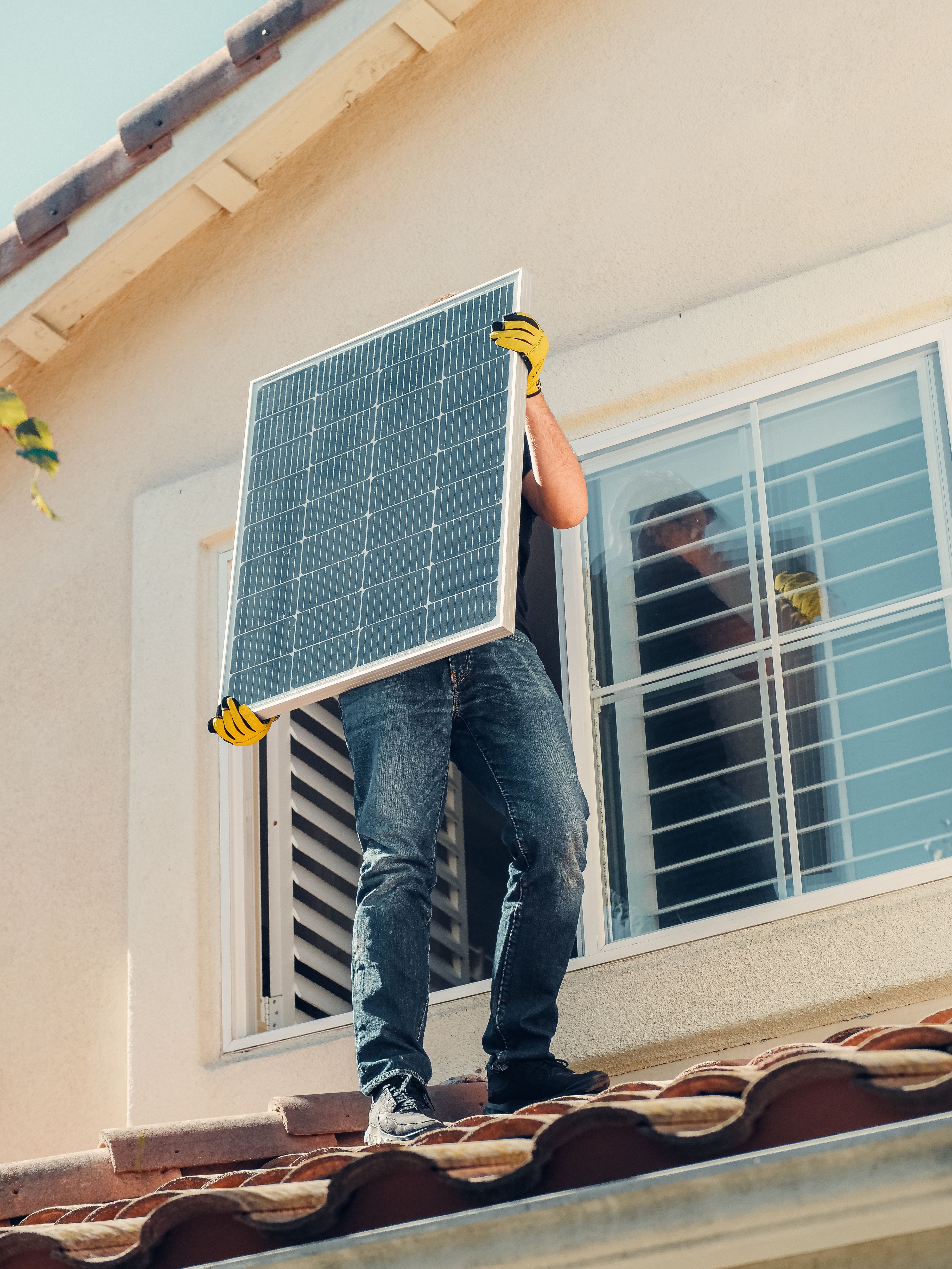
Is Solar Worth It in 2026? 7 Pros, Cons & Savings Tips
Solar panels can reduce electricity bills for years, but installing them requires a significant upfront investment. Whether solar is worth it depends on your electricity usage, local sunlight, roof condition, utility rates, financing options, and how long you plan to stay in your home.
This guide explains how solar payback works, which factors affect your savings, and how to compare quotes before making a decision.
Quick Answer: Is Solar Worth It?
Solar may be worth considering if you have high electricity bills, a roof with good sun exposure, suitable installation conditions, and plans to stay in your home long enough to recover the investment.
Some homeowners achieve payback within 6–12 years, but this is a broad planning estimate, not a guarantee. Your actual payback may be shorter or longer depending on system cost, electricity prices, incentives, utility compensation rules, and maintenance expenses.
Start by using our Solar Panel Cost Calculator to estimate your potential system cost and payback. Treat the result as an estimate and verify it against installer quotes and your utility’s rules.

What Is Solar Payback Time?
Solar payback time is the period it takes for the financial benefits of a solar system to equal its initial net cost. Once the system reaches its payback point, additional savings may continue for the remaining useful life of the equipment.
Simple payback formula:
Payback period = Net system cost ÷ Annual financial savings
Net system cost is the installed cost minus incentives you can actually claim. Annual financial savings should account for electricity bill reductions and applicable credits, minus relevant ongoing costs.
For more information, read the U.S. Department of Energy’s guide to solar savings and payback.
Solar Payback Example
Consider this simplified example for a home in the United States. The figures are illustrative and do not represent a guaranteed quote or savings estimate.
| Item | Example Amount |
|---|---|
| Installed system cost | $24,000 |
| Assumed eligible incentives | $4,000 |
| Net system cost | $20,000 |
| Annual electricity bill savings | $2,040 |
| Simple payback period | About 9.8 years |
Calculation: $20,000 ÷ $2,040 = approximately 9.8 years.
This example assumes the $4,000 incentive is actually available to the homeowner and annual savings remain at $2,040. It does not account for financing interest, maintenance, inverter replacement, utility fixed charges, or changing electricity prices.
If the system produces savings for 25 years, the simple total savings before ongoing costs would be $51,000. Subtracting the assumed $20,000 net system cost gives $31,000 in estimated net benefit over that period. Actual results may be substantially different.
7 Factors That Can Make Solar Worth It
1. Your Electricity Bill Is High
Homes that use more electricity may have greater potential savings, especially when solar production offsets electricity that would otherwise be purchased at high retail rates. Review a full year of utility bills to understand your actual usage and seasonal changes.
2. Your Electricity Rates Are High
When the electricity you avoid buying is expensive, each kilowatt-hour generated and used at home may provide more financial value. However, exported electricity may receive a lower credit than the retail rate.
3. Your Roof Gets Good Sunlight
Solar output depends on location, roof orientation, tilt, shading, and weather. Trees, nearby buildings, and other obstructions can reduce production. Ask installers for an estimate based on your actual roof rather than a generic national average.
4. Incentives Are Available
Local rebates, utility programs, and applicable tax benefits can reduce the net cost of solar. Incentive eligibility and deadlines vary, so confirm current rules with official government or utility sources before including an incentive in your calculation.
Important U.S. tax note: The federal Residential Clean Energy Credit rules changed for property placed in service after December 31, 2025. Do not automatically subtract the former federal residential credit from a new 2026 installation budget. Check the official IRS Residential Clean Energy Credit page for current eligibility information.
5. Your Utility’s Export Rules Are Favorable
Net metering and other export-credit arrangements determine how much credit you receive for surplus electricity sent to the grid. Some utilities compensate exported energy at less than the retail electricity rate. Ask your utility how its current tariff works and whether rates or rules may change.
6. Your Roof Is in Good Condition
If your roof needs replacement soon, it may be more economical to complete the roofing work before installing solar panels. Removing and reinstalling panels later can add labor costs.
7. You Plan to Stay in Your Home
A longer ownership period gives you more time to benefit from electricity savings. If you expect to move soon, consider whether the remaining payback period, system ownership, loan balance, and local home-buying market make the investment worthwhile.
When Solar May Not Be Worth It
Solar may offer a weaker financial return if:
- Your electricity bills are already very low.
- Your roof receives substantial shade throughout the day.
- Your roof needs major repairs or replacement soon.
- You expect to move before the estimated payback date.
- Your utility offers little compensation for excess electricity.
- The installed price or financing costs are unusually high.
In these situations, compare solar with other ways to reduce energy use, such as sealing air leaks, improving insulation, or upgrading inefficient appliances.
Solar Cash Purchase vs. Loan vs. Lease
| Payment Option | Potential Advantage | What to Check |
|---|---|---|
| Cash purchase | No solar loan interest | Upfront cost and alternative uses of savings |
| Solar loan | Spreads payments over time | APR, fees, loan term, and total repayment |
| Lease | May require less upfront payment | Payment increases, ownership, and transfer terms |
| Power purchase agreement (PPA) | Pay for contracted electricity production | Price per kWh, escalators, and contract duration |
Do not compare a solar loan payment with your current electric bill without considering the electricity charges that may remain after installation. Review the total financing cost, utility bill, and any contract obligations together.
Does Solar Increase Home Value?
Solar can be attractive to buyers because it may reduce electricity costs. The effect on resale value varies by location, system age, energy production, local demand, and whether the system is owned or leased.
Do not assume that installing solar will automatically increase your home’s value by the full system cost. Ask a local real estate professional how owned and leased solar systems are treated in your market.
Are Solar Batteries Worth the Extra Cost?
A home battery stores some of the electricity generated during the day for use later. It may also provide backup power during certain outages when the system is designed to operate safely in backup mode.
However, batteries add to the upfront investment and may lengthen the financial payback period. They may be more valuable where power outages are frequent, export credits are low, or time-of-use electricity rates reward storing and using energy at particular times.
Compare battery cost, usable capacity, warranty, expected cycle life, backup capability, and any additional equipment required before deciding.
Hidden Solar Costs and Factors to Consider
- Inverter replacement: Some inverters may need replacement during the system’s lifetime.
- Panel degradation: Solar panels generally lose some output gradually over time. Check the manufacturer’s performance warranty.
- Maintenance: Occasional inspections, cleaning where appropriate, or repairs may cost money.
- Roof work: Future roof repairs may require temporary panel removal and reinstallation.
- Insurance: Confirm whether your home insurance needs to be updated and what equipment is covered.
- Permits and utility connection: Local approval, inspections, and grid-interconnection requirements can affect project cost and timing.
- Utility charges: Fixed service fees may remain even if solar covers much of your electricity use.
How to Check Whether Solar Is Worth It for Your Home
- Review your bills: Gather 12 months of electricity usage and payments.
- Estimate system size: Ask installers to use your actual usage, roof, shading, and local solar conditions.
- Confirm incentives: Verify eligibility and deadlines through official sources before subtracting incentives from the cost.
- Get at least three quotes: Compare system size, installed price, equipment, warranties, and estimated annual production.
- Check utility rules: Ask about export credits, fixed charges, and applicable time-of-use rates.
- Calculate payback: Divide the net system cost by realistic annual financial savings.
- Compare financing: Include interest, fees, lease terms, and any future payment increases.
Use our Solar Panel Cost Calculator to compare estimated costs and payback. Review the calculator’s assumptions and compare the result with actual installer quotes before making a decision.
Frequently Asked Questions
How long does it take solar panels to pay for themselves?
Some homeowners may see a simple payback period of 6–12 years, but this is not universal. Installed cost, electricity prices, utility export credits, financing, and actual system production can change the result.
How long do solar panels last?
Many panels come with performance warranties lasting around 25 years, and systems may continue generating electricity longer. Output gradually declines, and other components may need repair or replacement.
Is solar worth it if I plan to move in a few years?
It depends on your expected payback period, remaining loan balance, transfer requirements, and local resale market. If you may move before the system pays for itself, calculate the likely financial outcome carefully.
Can solar panels eliminate my electric bill?
They may reduce your electricity charges substantially, but many households still pay fixed utility fees or charges for electricity used when solar production is insufficient.
Is solar worth it in a cloudy area?
Solar panels can generate electricity in cloudy conditions, but production generally varies with available sunlight. Use a location-specific production estimate rather than assuming cloudy weather makes solar ineffective.
Are solar incentives available in 2026?
Incentives depend on your location and current rules. In the United States, the former federal Residential Clean Energy Credit does not apply to qualifying property placed in service after December 31, 2025. Check current federal, state, and utility programs before calculating your net cost.
Related Home Improvement Guides
- Solar Panel Cost Calculator: Estimate Your Solar Costs
- How Much Paint Do You Need? A Room-by-Room Guide
- Ceiling Fan Installation Cost Guide
- Water Heater Replacement Cost Guide
- Bathroom Exhaust Fan Installation Cost Guide
- Kitchen Faucet Replacement Cost Guide
Final Thoughts: Is Solar Worth It?
Solar can be a worthwhile investment when your electricity costs, roof conditions, system price, and expected savings line up. The most reliable way to decide is to calculate your own payback period using realistic production estimates, current utility rules, and verified incentives.
Compare written quotes from qualified installers, review financing carefully, and consider maintenance and future roof work before signing a contract. Use the Solar Panel Cost Calculator as a starting point, not a guarantee of savings.
Disclaimer: This article is for general educational purposes only and does not guarantee financial savings, tax eligibility, or system performance. Solar prices, incentives, utility rules, and electricity rates vary by location and may change. Confirm current requirements with official agencies, your utility, and qualified professionals.