
Wondering about attic insulation cost in 2026? Insulating your attic can help improve indoor comfort, reduce heat transfer, and potentially lower heating and cooling expenses. Your final cost depends on attic size, insulation type, required R-value, labor rates, and the condition of existing insulation.
This guide explains estimated installation prices, insulation materials, labor costs, potential energy savings, and how to compare contractor quotes before starting your project.
How Much Does Attic Insulation Cost in 2026?
For initial budgeting, homeowners can use a broad estimate of approximately $1 to $4 per square foot installed. Actual prices vary by region, insulation material, project size, access, and the amount of preparation required. Difficult projects or specialized materials may cost more.
Use the following figures as illustrative planning estimates rather than guaranteed contractor quotes.
Attic Insulation Cost by Square Footage
| Attic Size | Estimated Installed Cost |
|---|---|
| 500 sq. ft. | $500–$2,000 |
| 700 sq. ft. | $700–$2,800 |
| 1,000 sq. ft. | $1,000–$4,000 |
| 1,200 sq. ft. | $1,200–$4,800 |
| 1,500 sq. ft. | $1,500–$6,000 |
| 2,000 sq. ft. | $2,000–$8,000 |
These examples multiply attic floor area by $1–$4 per square foot. Confirm whether removal of old insulation, air sealing, repairs, cleanup, and disposal are included in a contractor’s quote.
For additional pricing information, consult HomeGuide’s attic insulation cost guide.
Attic Insulation Cost by Material Type
Different insulation materials have different installation requirements, thermal performance, and costs. The right option depends on your climate, attic design, existing insulation, and target R-value.
1. Fiberglass Batt Insulation
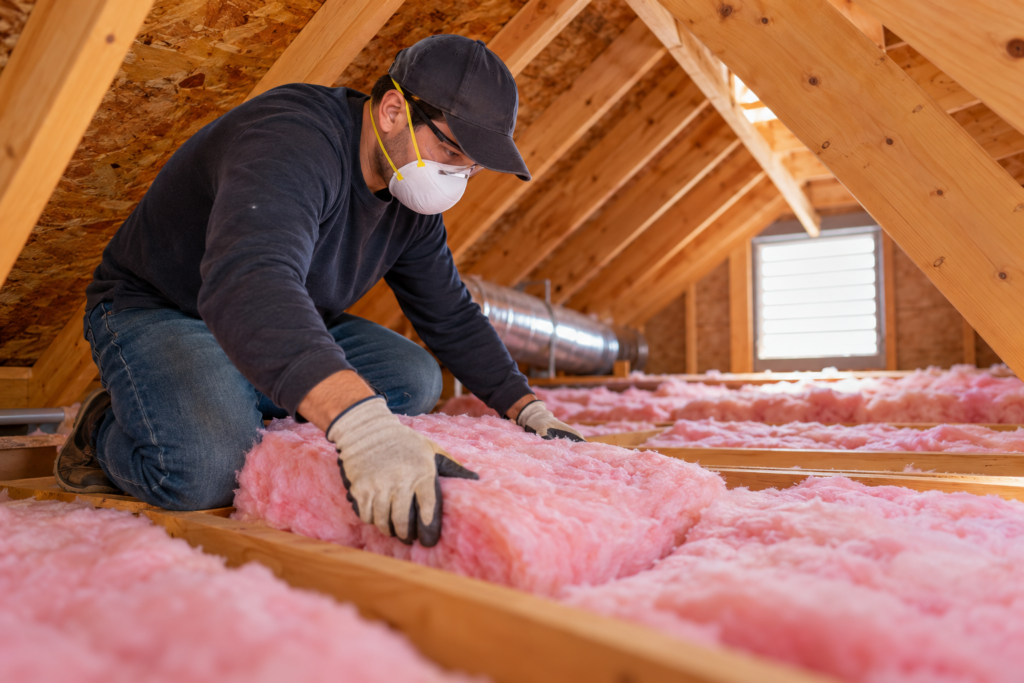
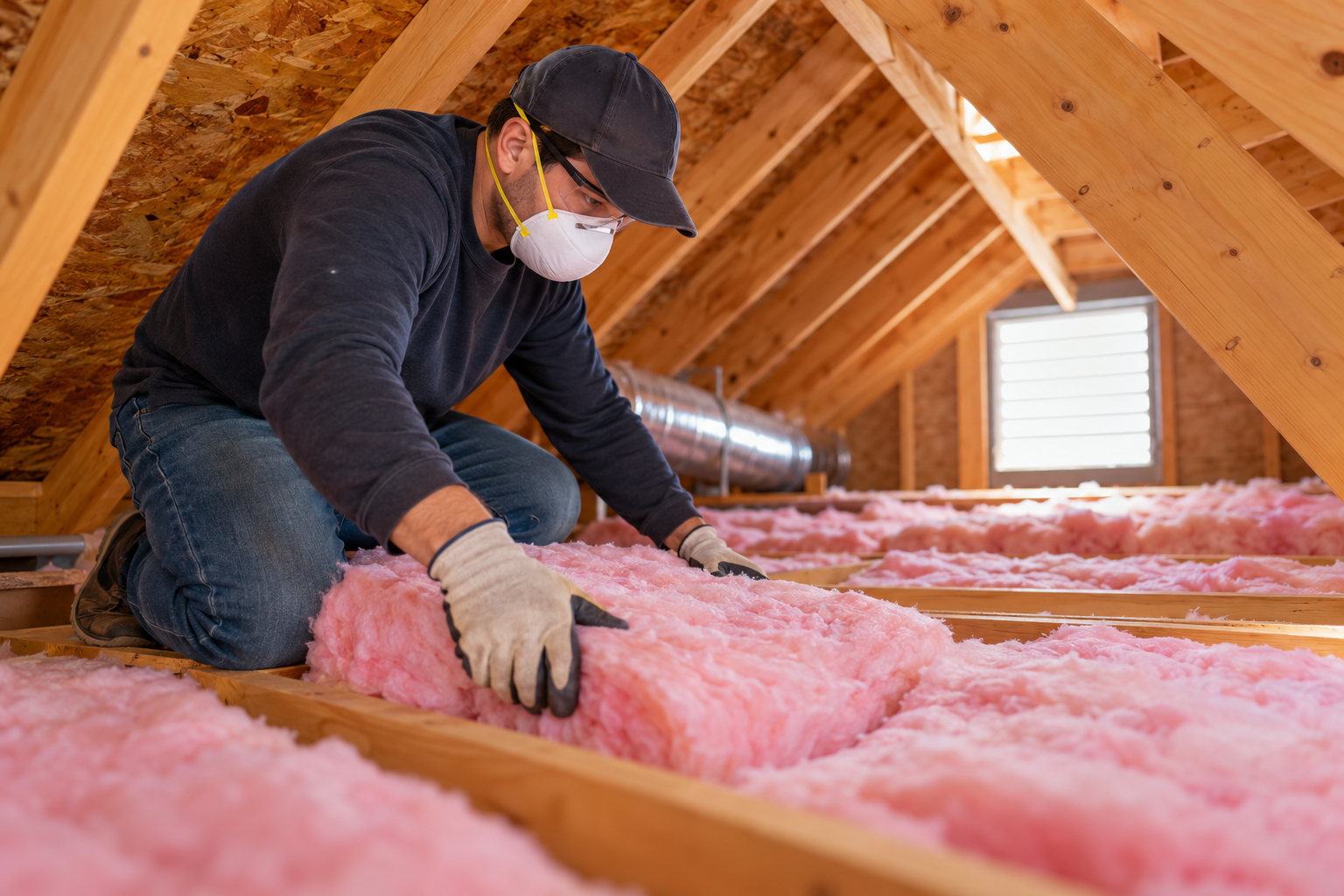
Fiberglass batts are pre-cut sections or rolls commonly installed between attic floor joists. They can be suitable for accessible spaces with regular framing. Gaps, compression, and poorly fitted sections can reduce their effectiveness, so proper installation is important.
2. Blown-In Fiberglass Insulation
Blown-in fiberglass is installed using specialized equipment. Its loose fibers can cover large attic floors and reach around many obstructions. Installation depth and even coverage should be checked to achieve the intended insulation level.
3. Cellulose Insulation
Cellulose is generally made from processed paper fibers and is commonly installed as loose-fill insulation. It can provide even coverage when installed correctly. Moisture conditions, ventilation, and the manufacturer’s installation specifications should be considered.
4. Spray Foam Insulation
Spray foam expands to fill certain gaps and can provide insulation and air-sealing benefits when properly designed and installed. It is a specialized option, and the type of foam, roof assembly, ventilation strategy, and local building requirements all matter.
To compare materials fairly, ask contractors to quote the same attic area and target R-value. Compare the complete installed cost rather than material prices alone.
What Is R-Value, and How Much Do You Need?
R-value measures resistance to heat flow. In general, a higher R-value provides greater resistance to heat transfer. The recommended attic insulation level depends on your climate zone, home design, and the insulation already present.
Before selecting a material, review ENERGY STAR’s insulation R-value recommendations. Use the guidance relevant to your location rather than choosing a target based on price alone.
What Affects Attic Insulation Installation Costs?
Attic Size and Accessibility
Larger attics generally require more material and installation time. Tight access, low clearance, irregular framing, and difficult working conditions can increase labor costs.
Existing Insulation
Existing insulation may sometimes remain in place if it is dry, clean, and in suitable condition. Wet, contaminated, damaged, or pest-affected insulation should be assessed before new material is added. Removal and disposal may increase the total project cost.
Air Sealing and Repairs
Air leaks around ceiling penetrations, pipes, and wiring can allow conditioned air to escape. Appropriate air sealing before insulation can improve overall performance. Work around chimneys, flues, recessed lights, and electrical equipment must follow applicable safety and fire-clearance requirements.
Labor and Regional Pricing
Local wages, contractor availability, material prices, minimum service charges, and travel costs can all affect your quote. Comparing itemized estimates from multiple contractors is one of the best ways to understand local pricing.
DIY vs. Professional Attic Insulation
DIY installation may reduce labor expenses when the attic is accessible and the project is suitable for a homeowner. However, attic work can involve airborne fibers, high temperatures, electrical hazards, unsafe walking surfaces, and hidden moisture damage.
Consider a qualified professional if the attic has complex wiring, damaged insulation, moisture problems, difficult access, or a spray foam installation. Review ENERGY STAR’s guide to adding attic insulation before deciding whether to do the work yourself.
Can Attic Insulation Help Lower Energy Bills?
Proper insulation can reduce heat transfer through the ceiling and help maintain a more consistent indoor temperature. It may reduce heating and cooling demand, but actual savings depend on climate, utility rates, existing insulation, air leaks, HVAC efficiency, and household behavior.
No single savings percentage applies to every home. If you are planning other energy improvements, you can also use our Solar Panel Cost Calculator to explore a separate home energy investment. Solar panels and attic insulation address different aspects of energy use, so assess their costs and benefits independently.
How to Get an Accurate Attic Insulation Quote
- Measure the attic floor area in square feet.
- Check the type, depth, and condition of existing insulation.
- Confirm the recommended R-value for your climate zone.
- Request separate material and labor costs.
- Ask whether air sealing, old insulation removal, cleanup, and disposal are included.
- Confirm ventilation requirements, safety precautions, and warranties.
- Compare at least two or three itemized contractor estimates.
Frequently Asked Questions
How much does it cost to insulate a 1,000-square-foot attic?
A broad planning estimate is $1,000–$4,000 using an installed rate of $1–$4 per square foot. Your actual price depends on the material, required R-value, labor, accessibility, and additional preparation.
Is blown-in insulation better than fiberglass batts?
Neither is best for every attic. Blown-in insulation can cover irregular spaces, while batts can work well between accessible, regularly spaced joists. Correct installation and the required R-value are important for both.
Should old attic insulation be removed first?
Not always. Existing insulation may be suitable to keep if it is dry, clean, and in good condition. Damaged, wet, contaminated, or pest-affected insulation should be professionally assessed before adding new material.
What R-value should my attic have?
The recommended R-value depends on your climate zone and current insulation level. Check ENERGY STAR’s recommendations and applicable local building requirements.
Does attic insulation guarantee lower energy bills?
No. Insulation can improve thermal performance, but the amount saved depends on your home’s condition, climate, HVAC system, energy rates, and installation quality.
Final Thoughts
Attic insulation can be a worthwhile home improvement when existing insulation is inadequate, damaged, or uneven. Before committing to a project, compare materials, confirm the appropriate R-value, and obtain itemized quotes from qualified contractors. Air sealing, moisture control, ventilation, and safe installation are important parts of the overall project.
All cost figures in this guide are estimates, not guaranteed quotes. Confirm current local prices and building requirements before making a decision.