
Planning a gutter installation or replacement project? Understanding gutter installation cost in 2026 can help you prepare a realistic budget, compare contractor quotes, and choose the right drainage system for your home.
Gutters collect rainwater from your roof and direct it away from exterior walls and the foundation. The final installation price depends on gutter material, total length, roof height, roofline complexity, labor rates, and optional features such as gutter guards.
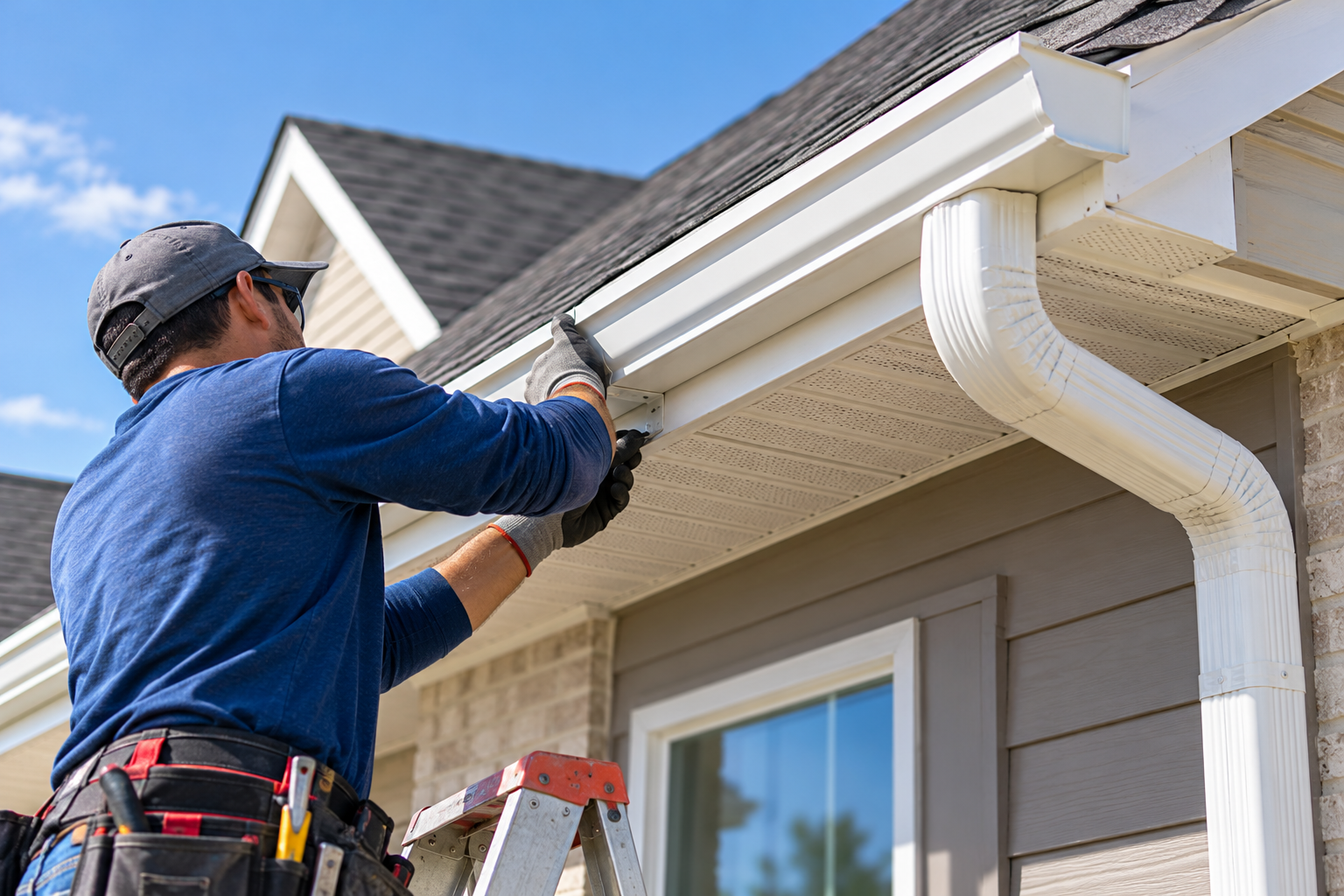
How Much Does Gutter Installation Cost in 2026?
Gutter installation costs vary widely across the United States. As a broad planning estimate, many homeowners may encounter prices of approximately $4 to $25 or more per linear foot installed, depending on the material, property, and project requirements. Premium materials and complicated installations can cost more.
Some published 2026 cost guides report different national averages because they use different project samples and pricing methods. For example, This Old House’s gutter installation cost guide provides a current breakdown of materials and project costs.
Use the following ranges for preliminary budgeting only. A local contractor’s written estimate is the best way to determine your actual cost.
Estimated Gutter Installation Cost by Length
| Gutter Length | Illustrative Installed Budget |
|---|---|
| 50 linear feet | $200–$1,250 |
| 100 linear feet | $400–$2,500 |
| 150 linear feet | $600–$3,750 |
| 200 linear feet | $800–$5,000 |
| 250 linear feet | $1,000–$6,250 |
These examples use an illustrative range of $4–$25 per linear foot. They are not quotes or guarantees, and unusually complex projects or premium materials can exceed these figures. Check whether downspouts, removal, repairs, and gutter guards are included.
Gutter Installation Cost by Material
The gutter material affects the upfront price, durability, appearance, maintenance needs, and suitability for local weather conditions.
| Material | General Considerations |
|---|---|
| Vinyl | Often a budget-friendly option; performance can vary with climate and product quality. |
| Aluminum | Lightweight and widely used for residential gutters; available in many colors. |
| Galvanized steel | Strong material that requires attention to protective coatings and corrosion. |
| Copper | Premium appearance and higher upfront cost; develops a natural patina over time. |
| Zinc | Premium option that requires suitable installation and compatible surrounding materials. |
Vinyl Gutters
Vinyl gutters can be attractive to homeowners working with a limited budget. They are relatively lightweight, but extreme temperature changes and prolonged exposure to weather can affect some products. Check the manufacturer’s guidance for your climate.
Aluminum Gutters
Aluminum is a common residential choice because it is lightweight and available in multiple styles and finishes. Ask the installer about material thickness, support spacing, finish quality, and whether seamless installation is available.
Steel Gutters
Steel gutters may suit projects where strength is a priority. Galvanized steel uses a protective coating, but scratches, damaged coatings, and prolonged moisture exposure can contribute to corrosion over time.
Copper and Zinc Gutters
Copper and zinc are premium options often chosen for architectural appearance and long-term performance. Their material and installation costs are typically higher, and they may require installers experienced with these materials.
Sectional vs. Seamless Gutters
Sectional gutters are assembled from shorter pieces joined along the roofline. They can be convenient for some DIY projects, but joints require correct sealing and maintenance.
Seamless gutters are custom-cut to the required length at the property. They have fewer joints along each straight run, which can reduce potential leak points. However, corners, outlets, and downspout connections still require proper installation.
The best choice depends on your budget, roof layout, maintenance expectations, and the availability of qualified installers.
What Factors Affect Gutter Installation Cost?
1. Roofline Length and Home Size
Longer roof edges generally require more gutter material, brackets, connectors, and labor. Do not assume that home floor area equals gutter length: measure the roof edges that actually need drainage.
2. Roof Height and Accessibility
Two-story homes, steep rooflines, difficult access, and complex roof geometry may require extra equipment and labor. These conditions can increase the installation price.
3. Downspouts and Drainage
A complete system needs appropriate downspouts and outlets to carry water away from the roof. The number, size, location, and discharge arrangement can affect the overall cost.
4. Removal of Old Gutters
Replacing an existing system may involve removing old gutters, disposing of debris, repairing fascia boards, and correcting damaged mounting points. Ask whether these tasks are included in the estimate.
5. Gutter Guards
Gutter guards can help limit leaves and other debris entering the gutter, but they do not eliminate maintenance. Their cost depends on the guard type, material, roof access, and installation requirements.
6. Local Labor and Permits
Labor rates, contractor availability, taxes, and local requirements vary by location. Ask your contractor whether any permits or inspections apply to your particular project.
Additional Costs to Consider
- Removal and disposal of existing gutters.
- Replacement of damaged fascia or mounting boards.
- New downspouts, elbows, outlets, and splash blocks.
- Gutter guards or leaf screens.
- Scaffolding or specialized access equipment.
- Drainage extensions or repairs needed to direct water away from the foundation.
Request an itemized quote so you can distinguish the base installation price from optional upgrades and necessary repairs.
How to Estimate the Amount of Gutter You Need
- Identify the roof edges where gutters are needed.
- Measure each required roof edge in feet.
- Add the measurements to calculate the approximate total linear footage.
- Identify where downspouts will be placed and how water will drain away.
- Ask a contractor to verify the measurements, gutter size, and drainage design.
For example, if your home requires 150 linear feet of gutters and your contractor quotes $12 per linear foot for the specified installation, the preliminary calculation is 150 × $12 = $1,800. Confirm whether this quote includes downspouts, removal, repairs, taxes, and other required components.
DIY Gutter Installation vs. Hiring a Professional
DIY installation may reduce labor expenses for a simple, accessible project if you have the appropriate tools and skills. However, working near roof edges and ladders carries a serious fall risk. Improperly installed gutters can also overflow, pull away from the fascia, or discharge water too close to the foundation.
For elevated homes, steep roofs, complicated rooflines, or damaged fascia, consider hiring a qualified professional. Ask about insurance, relevant experience, workmanship warranties, and the proposed drainage layout.
How to Choose the Right Gutter Contractor
- Get two or three written estimates with matching project specifications.
- Confirm the gutter material, profile, thickness, and total length.
- Ask whether seamless fabrication is included if you want seamless gutters.
- Confirm the number and placement of downspouts.
- Check removal, disposal, fascia repairs, and cleanup charges.
- Ask about insurance, warranties, payment terms, and local requirements.
- Check references or reviews and avoid relying on the lowest quote alone.
Related Home Improvement Resources
Gutter installation is one part of protecting your home from weather and water damage. You may also find these GlowHomex resources useful:
- Roof Replacement Cost Calculator — use this link if it matches your published page URL.
- Solar Panel Cost Calculator — explore a separate home energy investment.
Frequently Asked Questions
How much does it cost to install gutters on a house?
The total depends on gutter length, material, roof height, labor, and additional components. Use a per-linear-foot estimate for initial planning and obtain a local written quote before setting your budget.
What is the most affordable gutter material?
Vinyl is often a budget-friendly option, although actual prices depend on product quality, climate, availability, and installation costs. Compare expected durability and maintenance as well as the upfront price.
Are seamless gutters worth the extra cost?
They may be worthwhile when you want fewer joints along straight gutter runs. The value depends on the installation price, roof layout, workmanship, and your maintenance expectations.
Do gutter guards eliminate gutter cleaning?
No. Gutter guards can reduce the amount of debris entering the system, but debris may still collect on top of the guards or around outlets. Periodic inspection and maintenance remain important.
How often should gutters be inspected?
Inspect gutters periodically and after significant storms when it is safe to do so. The appropriate schedule depends on nearby trees, weather, roof conditions, and the type of gutter protection installed.
Can bad gutters damage a home’s foundation?
Overflowing or poorly directed roof runoff can contribute to water pooling near the foundation. Correct gutter sizing, clear outlets, and suitable downspout discharge help manage runoff, although broader drainage problems may need professional assessment.
Final Thoughts
Gutter installation cost in 2026 depends on much more than the price of the gutter material. Measure the roofline, compare suitable materials, account for downspouts and removal, and request itemized estimates from qualified contractors.
A properly installed drainage system can help manage roof runoff and protect exterior surfaces. Choose a system that suits your home’s roof design, local weather, maintenance needs, and budget.
Cost figures in this guide are general estimates for planning purposes. Prices and local building requirements vary, so verify current costs before starting a project.