
Planning to replace old or damaged windows? Understanding window replacement cost in 2026 can help you set a realistic budget, compare installation quotes, and choose windows that suit your home and climate.
The total price depends on the number of windows, frame material, glass package, window style, labor, and whether the existing frames need repairs. This guide explains typical U.S. costs and the factors to consider before hiring an installer.
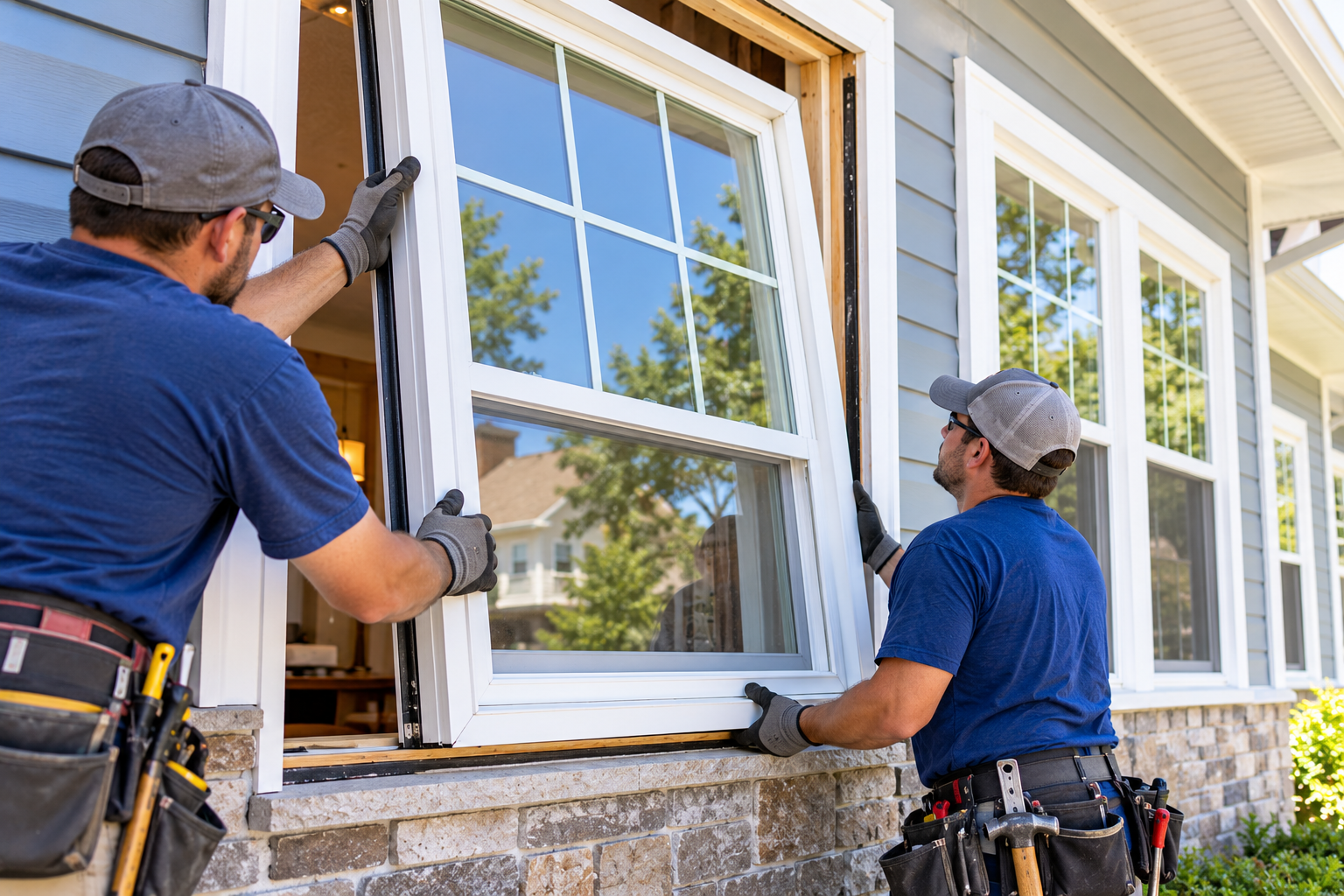
How Much Does Window Replacement Cost in 2026?
As a broad U.S. planning estimate, replacing a standard residential window can cost approximately $450 to $1,500 per window installed. Larger, custom, premium, or structurally complicated projects can cost significantly more.
HomeGuide publishes a typical range of $450–$1,500 per installed window, while the 2026 This Old House survey reports a lower average of $517 per window. These figures use different research methods and project samples, so they should not be treated as identical measures.
Sources: HomeGuide window replacement cost guide and This Old House 2026 cost research.
Estimated Window Replacement Cost by Project Size
| Number of Windows | Illustrative Installed Budget |
|---|---|
| 1 window | $450–$1,500 |
| 3 windows | $1,350–$4,500 |
| 5 windows | $2,250–$7,500 |
| 10 windows | $4,500–$15,000 |
| 15 windows | $6,750–$22,500 |
| 20 windows | $9,000–$30,000 |
These examples multiply the broad $450–$1,500 range by the number of windows. Actual quotes may differ because of window size, materials, labor, bulk pricing, disposal, repairs, and local conditions. Large bay windows and custom designs may cost considerably more.
Window Replacement Cost by Frame Material
Frame material influences the upfront price, appearance, maintenance needs, durability, and thermal performance of a window.
| Frame Material | General Considerations |
|---|---|
| Vinyl | Often budget-friendly and relatively low-maintenance. |
| Aluminum | Lightweight and durable, but standard frames can conduct heat readily. |
| Fiberglass | Dimensionally stable and available in energy-efficient configurations. |
| Wood | Classic appearance, but usually needs more ongoing maintenance. |
| Composite | Performance and maintenance depend on the specific material blend. |
Vinyl Windows
Vinyl windows are popular for residential replacement projects because they are often affordable and require relatively little maintenance. Available colors, finishes, frame profiles, and energy performance vary by product.
Aluminum Windows
Aluminum frames are lightweight and can suit contemporary designs. However, standard aluminum conducts heat more readily than many other frame materials. Thermal breaks and the overall window design affect performance.
Fiberglass Windows
Fiberglass frames can provide strength and dimensional stability across temperature changes. They may cost more upfront than basic vinyl options, so compare product warranties, glass specifications, and installed prices.
Wood Windows
Wood frames provide a traditional appearance and can be suitable for certain architectural styles. They may require periodic painting, sealing, or other maintenance to help protect them from moisture and deterioration.
Composite Windows
Composite frames use a combination of materials, with properties that vary by manufacturer and product. Review the specific frame construction, warranty, maintenance requirements, and energy-performance ratings before choosing one.
How Glass Type Affects Replacement Window Cost
The glass package affects insulation, comfort, noise reduction, and price. The best choice depends on climate, window orientation, local weather, and your home’s performance needs.
Single-Pane Glass
Single-pane windows have one layer of glass and generally provide less insulation than modern insulated glass units. If you have older single-pane windows, compare replacement options as well as possible repairs or storm-window upgrades.
Double-Pane Glass
Double-pane windows use two glass panes separated by a sealed space. They are a common residential option that can balance upfront cost and thermal performance. Low-emissivity coatings and gas fills may improve performance depending on the product.
Triple-Pane Glass
Triple-pane windows use three panes and can provide additional insulation in appropriate applications. They usually cost more and may be most useful where climate, noise, or other requirements justify the upgrade.
Look for independently rated energy-performance information rather than choosing a window based on pane count alone. The ENERGY STAR windows and doors guidance is a useful starting point.
Window Replacement Cost by Style
Window style influences the size, hardware, glass area, and complexity of installation. Common options include:
- Single-hung: Usually a straightforward option with one movable sash.
- Double-hung: Both sashes can move, allowing flexible ventilation.
- Sliding: Opens horizontally and works well in wider openings.
- Casement: Hinged at the side and typically opens using a crank.
- Picture: Fixed glass designed primarily for views and natural light.
- Bay or bow: Projects outward from the home and may require additional structural work.
Standard-size windows are often easier to price than custom shapes or oversized units. Ask your installer to itemize the exact style, dimensions, frame material, and glass package.
What Affects Window Replacement Labor Costs?
Insert or Pocket Replacement
An insert replacement generally fits a new window into a suitable existing frame. It may require less work than removing the entire frame, but it is only appropriate when the existing frame and surrounding structure are in good condition and the installation design permits it.
Full-Frame Replacement
A full-frame replacement removes the existing window frame and may require work on trim, flashing, insulation, or surrounding finishes. It can be appropriate when frames are damaged, openings need correction, or the project calls for a complete replacement.
Window Location and Access
Second-story windows, difficult exterior access, heavy glass, and unusual openings can increase installation time and labor expenses. Ask whether special equipment or additional crew members are required.
Repairs, Removal, and Disposal
Rotten wood, water damage, damaged trim, and deteriorated flashing can add to the total cost. Confirm whether removal and disposal of old windows, interior finishing, exterior sealing, and repairs are included in the quote.
Additional Window Replacement Costs to Consider
- Removal and disposal of existing windows.
- Repair or replacement of damaged frames, sills, and trim.
- Flashing, insulation, caulking, and weatherproofing.
- Custom sizes, specialty glass, or decorative grids.
- Permit or inspection fees where applicable.
- Interior and exterior finishing after installation.
Do not assume that every quote includes these items. An itemized estimate makes it easier to compare contractors fairly and avoid unexpected charges.
How to Choose Energy-Efficient Replacement Windows
Energy efficiency depends on the complete window assembly, not only the frame material or number of panes. Consider these points before buying:
- Check the window’s U-factor, which indicates heat transfer; lower values generally mean better insulation.
- Review the Solar Heat Gain Coefficient (SHGC), especially for sunny climates and exposed windows.
- Choose glazing and coatings suited to your climate and window orientation.
- Confirm that the product is appropriately rated for local weather conditions.
- Ensure correct installation, air sealing, flashing, and weatherproofing.
Use the official ENERGY STAR residential windows resource to learn about energy-performance criteria and eligible products.
Repair or Replace: Which Is Better?
Full replacement is not always necessary. If a window frame is sound and the problem is limited to hardware, weatherstripping, or a damaged glass unit, repair may be more economical.
Replacement may make more sense when frames are extensively damaged, the window cannot operate properly, sealed glass units have failed repeatedly, or drafts and water intrusion persist despite repairs.
Have visible rot, persistent moisture, or structural damage assessed before ordering replacement windows. Correcting the underlying issue is important for long-term performance.
How to Compare Window Replacement Quotes
- Count the windows and record approximate sizes and styles.
- Ask each contractor to quote the same frame material and glass specifications.
- Compare insert replacement and full-frame replacement where both are suitable.
- Check whether removal, disposal, flashing, sealing, and finishing are included.
- Confirm installation warranties and manufacturer product warranties.
- Ask how hidden damage and additional work will be priced.
- Check contractor references, insurance, and relevant local requirements.
Related GlowHomex Resources
Planning multiple home improvements? These calculators may also help with separate parts of your project budget:
- Roof Replacement Cost Calculator — check this link against your published page URL.
- Solar Panel Cost Calculator — explore a separate home energy investment.
Frequently Asked Questions
How much does it cost to replace one window?
A broad planning estimate is $450–$1,500 for a standard window installed. Custom sizes, premium materials, difficult access, and repairs can raise the price. Obtain a local written quote for an accurate figure.
How much does it cost to replace ten windows?
Using the broad $450–$1,500 per-window estimate, ten windows could cost approximately $4,500–$15,000. Actual project prices depend on the selected windows, labor, bulk pricing, and the condition of the existing openings.
What is the most affordable replacement window material?
Vinyl is often a budget-friendly residential option, but costs vary by product and location. Compare installed prices, energy-performance ratings, maintenance needs, and warranties before deciding.
Are double-pane windows worth the cost?
Double-pane windows can provide a useful balance of insulation and price for many homes. Their value depends on climate, existing windows, utility rates, product performance, and installation quality.
Should I replace all windows at once?
Replacing several windows in one project may reduce the per-window price if a contractor offers package pricing. If your budget is limited, prioritizing damaged or poorly performing windows may be more practical.
Can I replace windows myself?
Some experienced homeowners may be able to replace simple ground-floor windows, but incorrect installation can lead to leaks, drafts, damage, or safety risks. Professional installation is worth considering, especially for upper floors, large windows, and damaged openings.
Final Thoughts
Window replacement cost in 2026 depends on window size, frame material, glass specifications, installation method, and any repairs needed around the opening. Compare itemized quotes, check energy-performance ratings, and make sure the scope of work is clear before choosing a contractor.
The right window is not necessarily the cheapest or most expensive option. Choose a product and installation method suited to your home’s condition, climate, comfort needs, and budget.
All prices in this guide are broad planning estimates, not guaranteed quotes. Verify current local costs and applicable building requirements before starting work.