
Fence Installation Cost in 2026: Materials, Labor & Price Guide
Installing a new fence can improve privacy, security, and the appearance of your property. Understanding fence installation cost before starting helps you choose suitable materials and plan your budget. In 2026, the total price depends on fence length, material, height, labor rates, ground conditions, gates, and local permit requirements.
This guide covers fence installation cost by material and project size, labor expenses, additional charges, and practical ways to compare contractor quotes.
How Much Does Fence Installation Cost in 2026?
For a typical US residential project, a preliminary budgeting range is around $10–$50 per linear foot installed. Basic chain-link fencing may cost less, while premium wood, vinyl, and metal fencing can cost considerably more. These figures are broad estimates, not guaranteed contractor prices.
Your total fence installation cost depends on the material, total linear footage, fence height, terrain, gates, and whether an old fence must be removed. Regional labor rates and product quality also affect the final estimate.
| Fence type | Indicative installed cost per linear foot |
|---|---|
| Chain-link | $10–$30 |
| Pressure-treated wood | $15–$35 |
| Cedar wood | $20–$45 |
| Vinyl | $20–$40 |
| Aluminum or decorative metal | $25–$50+ |
Prices vary by location, fence height, style, material grade, and project complexity. Ask local contractors for itemized quotes that specify exactly what is included.
Fence Installation Cost by Project Length
Fence length is one of the main factors in fence installation cost. Longer fences need more posts, panels, fasteners, and installation time. The following examples use an assumed installed rate of $10–$50 per linear foot.
| Fence length | Estimated installed cost |
|---|---|
| 50 linear feet | $500–$2,500 |
| 100 linear feet | $1,000–$5,000 |
| 150 linear feet | $1,500–$7,500 |
| 200 linear feet | $2,000–$10,000 |
| 300 linear feet | $3,000–$15,000 |
| 400 linear feet | $4,000–$20,000 |
These are preliminary estimates. Gates, demolition, difficult soil, steep slopes, landscaping repairs, and permits can raise the final amount.
Fence Material Comparison: Wood, Vinyl, Chain-Link, and Metal
Wood Fencing
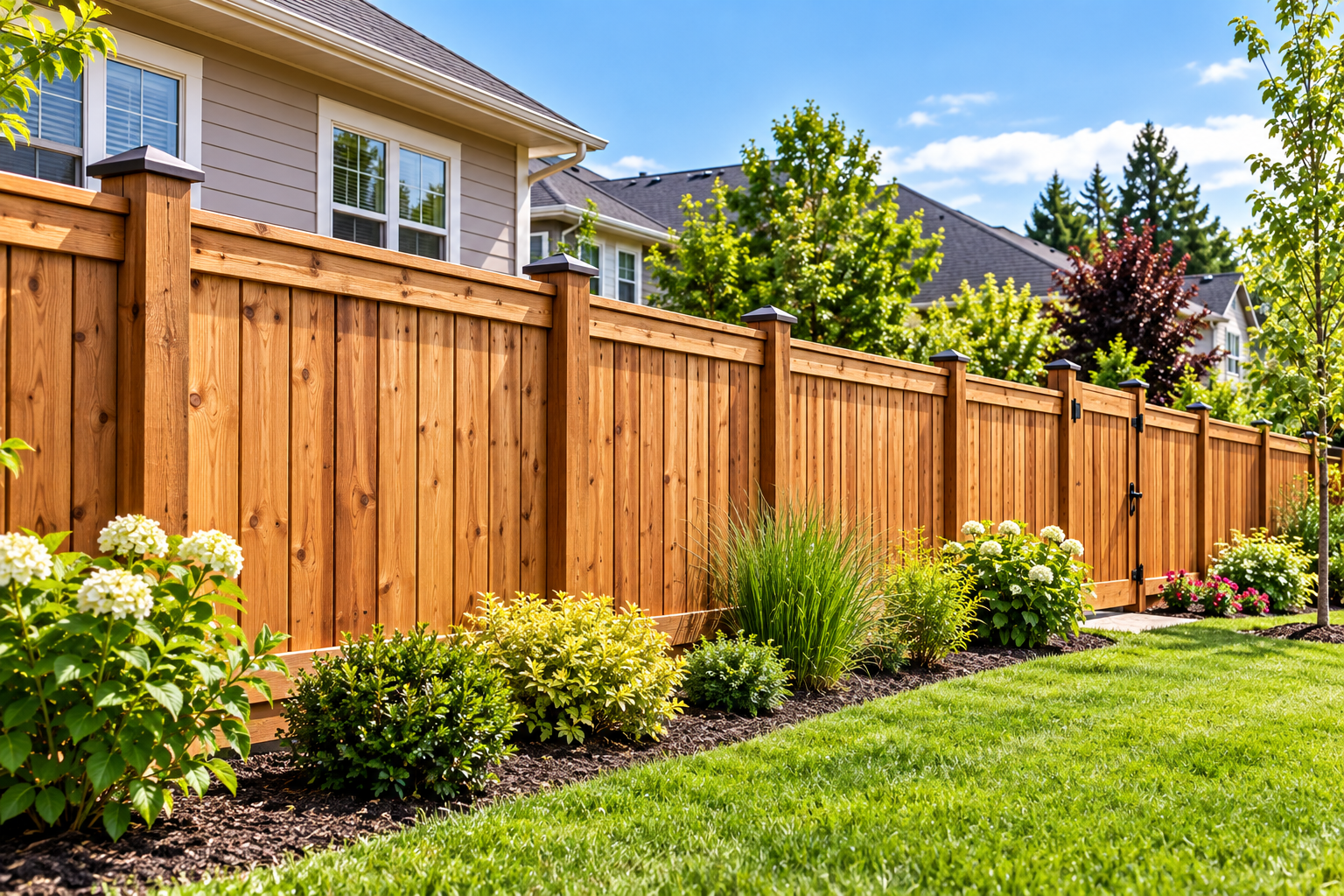
Wood fencing offers a traditional appearance and can provide backyard privacy. Pressure-treated pine is often a budget-conscious option, while cedar and other premium woods may cost more. Wood generally needs periodic cleaning, staining, or sealing to protect it from the weather.
Vinyl Fencing
Vinyl fencing is available in privacy, picket, and decorative styles. It typically requires less routine upkeep than wood, but the upfront price can be higher than basic fencing. Compare panel quality, warranties, color choices, and installation requirements before choosing.
Chain-Link Fencing
Chain-link is commonly used when a practical boundary is more important than complete privacy. It can be economical for larger areas, although privacy slats, coated finishes, taller fencing, and gates add to the total cost.
Aluminum and Other Metal Fencing
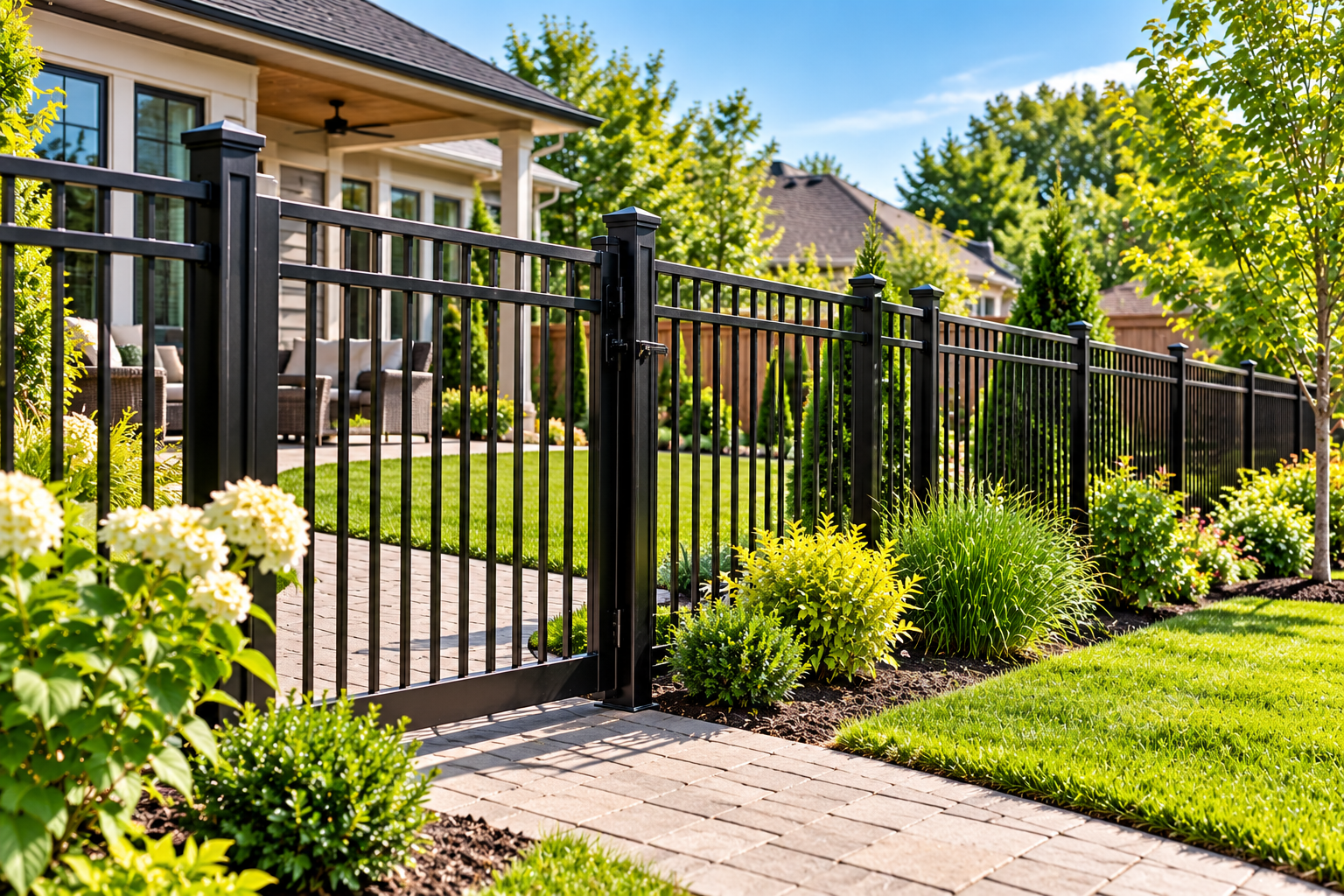
Metal fencing can suit front yards, pool areas, and properties where visibility and a decorative finish are priorities. Costs vary with the metal, panel design, finish, height, and gate hardware. Follow local pool-safety and building requirements where relevant.
How Much Does Fence Installation Labor Cost?
Labor is an important part of fence installation cost. Contractors may quote a per-linear-foot rate or provide a fixed project price. Labor expenses depend on the number of posts, ground conditions, fence height, material, accessibility, and layout complexity.
Removing an old fence, digging post holes in rocky soil, working on a slope, or installing multiple gates can require extra time. Ask whether the quote includes layout, post setting, panel installation, gate hardware, cleanup, and disposal.
Additional Fence Installation Costs
The advertised fence installation cost may not include all the work needed to complete your project. Check for these possible additional expenses:
- Old fence removal: Labor, hauling, and disposal charges.
- Gates and hardware: Walk gates, double gates, latches, and locks.
- Ground preparation: Clearing plants, removing roots, or dealing with uneven terrain.
- Post foundations: Concrete, gravel, and additional support where required.
- Permits: Fees and inspections required by local authorities.
- Property survey: Confirming boundaries when the property line is uncertain.
- Landscaping repairs: Restoring soil, grass, or garden beds after installation.
- Decorative upgrades: Caps, premium finishes, privacy screens, or custom designs.
How to Estimate Your Fence Installation Cost
A simple starting formula is:
Estimated fence cost = Total linear feet × Installed cost per linear foot
For example, if you need 150 linear feet of fencing and a contractor estimates $25 per linear foot, the preliminary installed cost is $3,750. Add any excluded gates, removal, permits, or site preparation to calculate a more realistic budget.
Measure each side of the area you want to enclose and add the lengths together. Ask for an on-site measurement before accepting a final quote.
DIY Fence Installation vs. Hiring a Professional
Installing a fence yourself can reduce labor expenses if you have the right tools, skills, and time. However, you still need to budget for posts, concrete, panels or boards, fasteners, tools, and disposal. Incorrect post placement or boundary mistakes can create expensive problems.
A professional may be preferable for long fences, difficult terrain, heavy gates, masonry work, or projects involving permits and boundary concerns. Compare the full DIY budget with written professional quotes rather than comparing materials alone.
Ways to Reduce Fence Installation Cost
- Compare at least three itemized quotes from qualified local contractors.
- Choose a fence style that meets your privacy and security needs without unnecessary upgrades.
- Compare long-term maintenance costs, not just the initial purchase price.
- Confirm property boundaries before ordering materials or digging post holes.
- Ask about standard panel sizes that may reduce cutting and waste.
- Check local permit requirements and underground utility locations before construction.
- Confirm warranties, cleanup, disposal, payment terms, and the work schedule in writing.
How to Choose a Fence Contractor
Check the contractor’s insurance, applicable licensing requirements, references, and examples of completed work. Ask for a written scope of work listing the fence material, height, length, gates, hardware, cleanup, and warranty terms.
Compare equivalent specifications when evaluating quotes. A lower estimate may exclude important items, so make sure each contractor is pricing the same fence design and project scope.
Related Home Improvement Calculators
- Roof Replacement Cost Calculator — estimate roofing project expenses.
- Solar Panel Cost Calculator — explore solar installation budgeting.
Verify these internal links in WordPress and update the URLs if your published page slugs are different.
Frequently Asked Questions
What is the average fence installation cost in 2026?
For preliminary US budgeting, a residential fence may cost around $10–$50 per linear foot installed. The final price depends on material, height, length, labor, terrain, gates, and local requirements.
How much does a 100-foot fence cost to install?
At an assumed installed rate of $10–$50 per linear foot, a 100-foot fence could cost approximately $1,000–$5,000 before extras not included in the quote. Material and location can significantly change the total.
Which fence material is the least expensive?
Basic chain-link and some pressure-treated wood fences are often among the more economical choices. Actual prices depend on the design, height, local labor rates, and material availability.
Is vinyl fencing worth the higher upfront cost?
Vinyl may appeal to homeowners who want a fence with relatively low routine maintenance. Compare the initial price, product quality, warranty, appearance, and expected upkeep before deciding.
What affects fence installation cost the most?
The main factors are fence length, material, height, labor rates, ground conditions, gates, old fence removal, and local permit requirements.
Do I need a permit to install a fence?
Rules vary by city, county, fence height, location, and property type. Contact your local building department or homeowners association, if applicable, before installation.
How can I get an accurate fence installation estimate?
Measure the area, choose a preferred material and height, confirm property boundaries, and request itemized quotes from several qualified contractors. Ask each contractor to specify what is included and excluded.
Final Thoughts
Planning your fence installation cost in advance makes it easier to compare materials, set a realistic budget, and avoid unexpected expenses. Use online ranges for initial planning, then confirm the price with local contractors who understand your site and local requirements.
Cost figures in this guide are broad US-market planning estimates, not guaranteed quotes. Actual prices vary by location, material quality, labor, and project scope.